


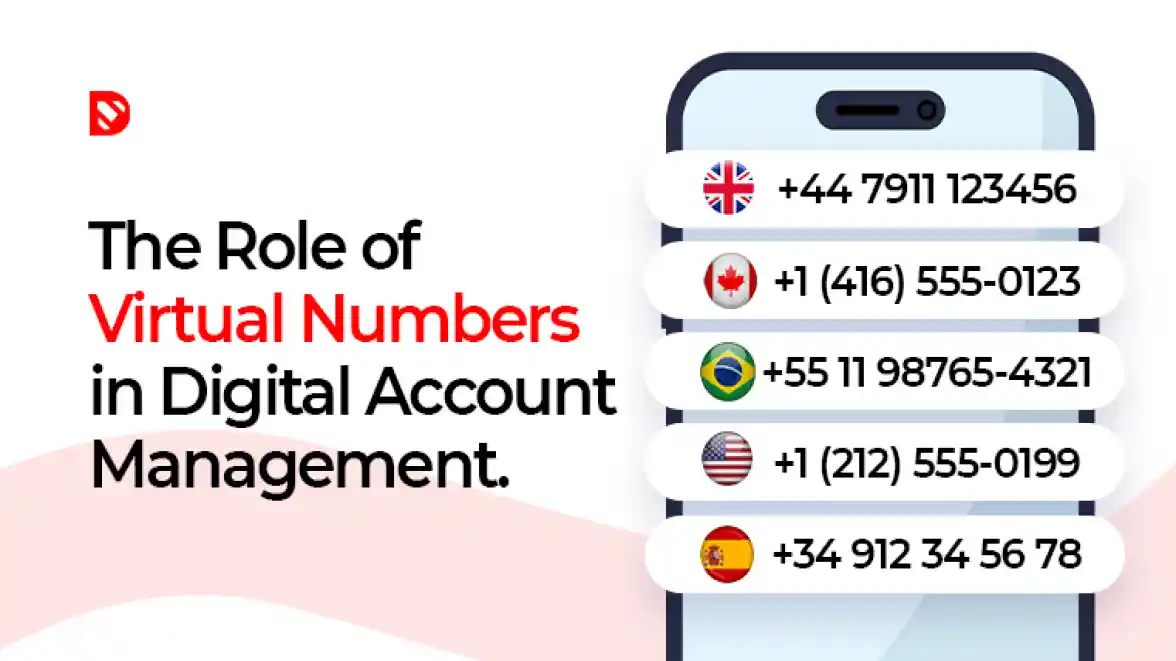
Almost every app, from WhatsApp and Telegram to online stores and banking tools, asks for a phone number. The more accounts you open, the more your real number gets shared. That is where virtual numbers in digital account management come in. This guide explains what they do, when they help, and how to use them safely.
What Is a Virtual Number?
A virtual number is a real working phone number that lives online instead of on a SIM card in your phone. You can use it to receive SMS messages, including verification codes, without buying or carrying another SIM.
You do not need a second phone or a second network line. You get the number on your device or through a platform like DDBoost, use it, and manage it from there.
Why Digital Account Management Gets Messy
Think about how many accounts you have right now. Social media, email, shopping apps, betting or gaming platforms, business tools, delivery apps, and more.
Now the problems start to show:
- Your personal number ends up in dozens of databases.
- Spam calls and marketing texts increase.
- If you lose or change your SIM, you can get locked out of accounts.
- Business and personal accounts get mixed together.
- Verification codes for different accounts all land in one inbox.
A virtual number solves several of these problems at once.
7 Roles Virtual Numbers Play in Managing Your Accounts
1. Receiving verification codes (OTPs)
Most apps send a code by SMS before you can register or log in. A virtual number can receive these codes, so you can verify your account without giving out your personal line.
2. Protecting your privacy
When you sign up on a site you do not fully trust, you can use a virtual number instead of your main one. If that site is ever hacked, sold or spammed, your real number stays safe.
3. Keeping personal and business accounts separate
If you run a small business, you can use one number for business apps and keep your personal SIM for family and friends. This makes your accounts easier to track and manage.
4. Reducing spam and unwanted calls
Marketing texts and cold calls go to the virtual number instead of your main line. You keep your daily phone clean.
5. Backup access when you change or lose your SIM
If an account is tied to a virtual number rather than a SIM you might lose, you are less likely to be locked out during a SIM swap, a network change or a lost phone. Just make sure you keep a note of which number belongs to which account, and follow the platform's recovery rules.
6. Reaching apps from other countries
Some apps and services ask for a phone number from a specific country. A virtual number for that country can help you complete the sign-up, where the platform allows it. Availability changes by app and country, so check before you order.
7. Managing accounts for clients or teams
Social media managers, freelancers and small agencies often handle accounts for other people. Using separate numbers for different projects keeps things organised and avoids mixing up codes and access.
Virtual Number vs Your Personal SIM: Quick Comparison
| Feature | Personal SIM | Virtual Number |
|---|---|---|
| Privacy | Your real number is shared with every app | Your real number stays private |
| Spam risk | Spam lands on your daily line | Spam goes to a separate number |
| Organisation | All codes mix in one inbox | Different numbers for different accounts |
| SIM loss or swap | Can lock you out | Not tied to your physical SIM |
| Best for | Family, bank alerts, important daily use | App sign-ups, side accounts, business tasks |
When You Should NOT Use a Virtual Number
Virtual numbers are useful, but they are not right for everything. Be careful with these:
- Your main bank account: banks usually need your real, registered phone number for alerts and security. Keep that on your personal SIM.
- Accounts you cannot afford to lose: if a virtual number is temporary or short-term, you may lose access to it later, and with it your account. For important accounts, choose an option you can keep and recover.
- Anything that breaks a platform's rules: some platforms limit how many accounts one person can hold or do not accept certain numbers. Always follow each app's terms and use virtual numbers for honest, genuine purposes.
How to Use Virtual Numbers Safely for Account Management
- Write down which number goes with which account. A simple list saves you stress later.
- Use strong, different passwords and turn on extra security where available, like an authenticator app.
- Know if the number is temporary or long-term before you attach an important account to it.
- Never share your OTP codes with anyone, even if they claim to be support staff.
- Use it for real, legitimate accounts. Do not use virtual numbers to spam, scam or break platform rules.
- Pair it with good habits. Use a VPN on public Wi-Fi and keep your recovery email up to date.
Virtual Numbers and Social Media Accounts
If you manage pages for a brand, a shop or a client, a virtual number helps you keep each account's verification separate. Then you can focus on growing each page. Once your accounts are set up, consistent posting and interaction do the rest, and you can read why in our guide on how to get more TikTok followers.
Want to Get Started?
Want a step-by-step look at how virtual numbers work for different apps and countries? Read our full guide on how to get a virtual number for any country and any app.
When you are ready, DDBoost lets you order virtual numbers from your dashboard and receive SMS codes there. Availability, delivery and success can vary by country, app and network, so check the details on the platform before you order.
Log in or sign up on DDBoost to get your virtual number.
Frequently Asked Questions
What is the role of a virtual number in account management?
It gives you a separate number for receiving verification codes and messages. That keeps your personal SIM private, makes accounts easier to organise, and reduces spam and lockout risks.
Can I use a virtual number to verify my accounts?
In many cases, yes. Virtual numbers are widely used to receive OTPs. However, some apps do not accept certain virtual numbers, so results can vary from one platform to another.
Are virtual numbers safe?
They can be, when you use them properly. Use a trusted provider, keep your passwords strong, never share your OTPs, and avoid attaching very important accounts to numbers you cannot keep.
Should I use a virtual number for my bank account?
Usually no. Banks tie your account to your registered phone number for security and alerts. Keep your bank number on your personal SIM.
Do virtual numbers work for WhatsApp and Telegram?
Many people use them for WhatsApp, Telegram and similar apps, but it depends on the number and the app's rules at that time. Check the details before you order.
What is the difference between a temporary and a long-term virtual number?
A temporary number is meant for a quick, one-time code and may not be available later. A long-term number stays with you for a set period so you can keep receiving messages. For accounts you want to keep, choose an option you can rely on.
Can virtual numbers help protect me from spam?
Yes. When you use a virtual number for sign-ups, marketing texts and unwanted calls go there instead of your personal line.
Is it legal to use a virtual number?
Using a virtual number for genuine purposes like privacy and verification is common. Do not use one for fraud, harassment or anything that breaks the law or a platform's terms. Rules can differ by country and by service.